Crypto Trading: Navigating the Frontier of Digital Wealth


Introduction: A New Breed of Traders Emerges
In the vast expanse of the modern financial landscape, few phenomena have captured the public’s imagination quite like crypto trading. What began as a niche hobby for technologists and libertarians has evolved into a global marketplace bustling with billions of dollars in daily volume, endless streams of data, and a new generation of traders unbound by Wall Street’s traditional barriers.
Cryptocurrency trading is not merely about chasing profits; it is a testament to how technology can reshape age-old ideas about value, risk, and opportunity. From Bitcoin to lesser-known altcoins, crypto trading demands a distinct mindset—one that blends curiosity, caution, and a healthy respect for volatility.
Understanding Crypto Trading: Beyond the Buzzwords
At its simplest, crypto trading is the buying and selling of digital assets such as Bitcoin, Ethereum, and thousands of alternative cryptocurrencies, or “altcoins.” Unlike traditional stock exchanges, crypto markets operate 24/7, allowing traders to react to global news, economic shifts, and technological developments in real time.
Unlike passive investing, which focuses on holding assets for long-term appreciation, trading seeks to profit from price fluctuations in the short to medium term. This can involve various strategies, from day trading and swing trading to scalping and arbitrage.
Key Characteristics of Crypto Trading
-
24/7 Market: No opening or closing bell; the market never sleeps.
-
High Volatility: Large price swings present both risk and opportunity.
-
Decentralization: Many exchanges are not bound by traditional regulatory structures.
-
Diverse Instruments: Traders can access spot markets, futures, options, and decentralized finance (DeFi) protocols.
For the uninitiated, the allure of quick gains can be intoxicating. However, success in crypto trading is rarely accidental—it demands discipline, research, and a sound strategy.
Popular Trading Strategies: Paths to Navigate the Chaos
While the crypto market’s volatility may appear chaotic, seasoned traders deploy carefully crafted strategies to tame its unpredictability.
Day Trading
Traders open and close positions within the same day, capitalizing on intraday price movements. This requires constant monitoring, technical analysis, and the mental stamina to make swift decisions.
Swing Trading
Swing traders hold positions for several days or weeks, aiming to capture medium-term trends. This strategy combines technical indicators with broader market sentiment.
Scalping
A rapid-fire approach where traders make numerous small trades to exploit minute price discrepancies. Though the profit per trade is small, the cumulative effect can be significant.
HODLing vs. Active Trading
Some traders adopt a hybrid approach—holding long-term positions in blue-chip coins like Bitcoin or Ethereum while actively trading more volatile altcoins for short-term gains.
Risk Management: The Mark of a True Professional
Perhaps the single most overlooked aspect by newcomers, risk management is the lifeline of any successful crypto trader. The allure of moonshot profits often blinds traders to the simple truth: capital preservation is key to longevity in the market.
Prudent Risk Management Tactics
-
Position Sizing: Never risk more than a small percentage of your total capital on a single trade.
-
Stop-Loss Orders: Automate exits to prevent catastrophic losses.
-
Diversification: Spread risk across multiple assets rather than putting all eggs in one basket.
-
Emotional Control: Detach feelings from decisions. Fear and greed are the downfall of many traders.
In the words of legendary trader Paul Tudor Jones, “The most important rule of trading is to play great defense, not great offense.”
Tools of the Trade: Technology as an Ally
Today’s crypto trader wields an impressive arsenal of tools designed to analyze, automate, and secure every move.
Essential Tools for Crypto Traders
-
Exchanges: Centralized platforms like Binance, Coinbase, and Kraken; or decentralized exchanges (DEXs) like Uniswap and PancakeSwap.
-
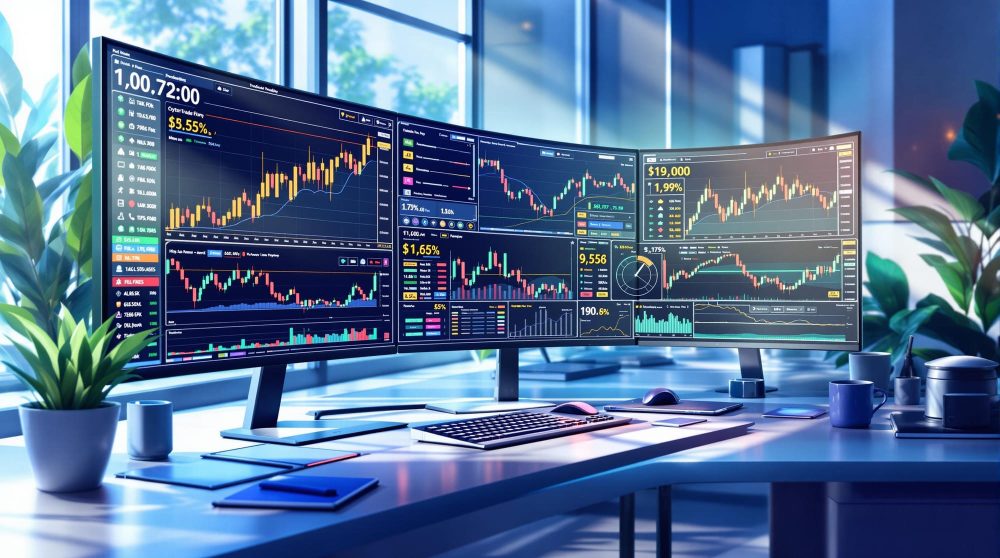
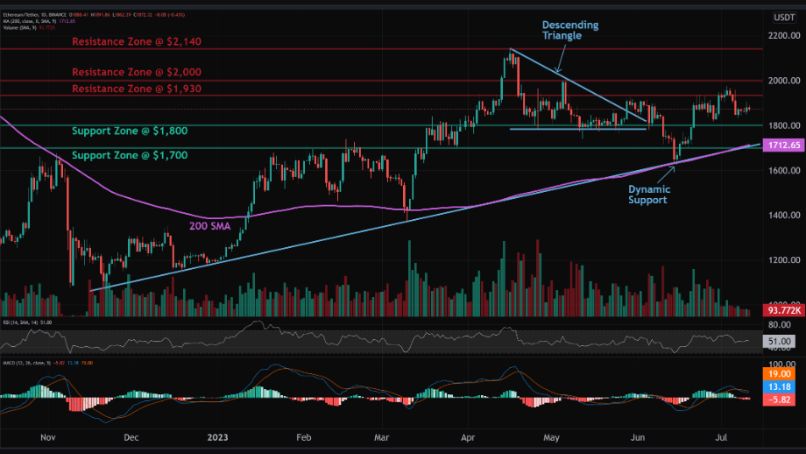
Charting Software: Platforms such as TradingView help visualize trends, draw patterns, and test strategies.
-
Bots and Algorithms: Automated bots can execute trades based on pre-set conditions, removing emotion from the equation.
-
Cold Wallets: For long-term storage, traders rely on hardware wallets to protect their assets from hacks.
Mastering these tools is part of the craft, turning raw data into informed decisions.
The Emotional Rollercoaster: Psychology of Crypto Trading
Beyond charts and candlesticks, the greatest battle in crypto trading is waged within the trader’s own mind. Sudden market swings can evoke euphoria one moment and despair the next. Many traders learn, often the hard way, that the discipline to stick to a plan separates profit from ruin.
Common psychological pitfalls include:
-
FOMO (Fear of Missing Out): Chasing pumps often leads to buying high and selling low.
-
Panic Selling: Selling during dips can lock in losses unnecessarily.
-
Revenge Trading: Trying to recoup losses hastily usually backfires.
The seasoned trader cultivates patience, accepts losses gracefully, and resists the temptation to deviate from a well-defined strategy.
Regulatory Winds: The Changing Rules of the Game
As crypto trading matures, regulators worldwide have begun tightening oversight. While some see this as a threat to crypto’s open ethos, others view it as a necessary evolution that brings legitimacy and protects investors from bad actors.
Governments are now scrutinizing exchanges, enforcing Know Your Customer (KYC) rules, and taxing crypto gains. Traders who wish to thrive long-term must remain vigilant about regulatory developments in their jurisdiction.
The Future of Crypto Trading: Maturity and Innovation Intertwined
Despite its youth, crypto trading has already reshaped the global financial stage. Institutional money is pouring in, sophisticated derivatives markets are expanding, and decentralized finance is opening new frontiers of possibility.
Yet, the essence remains unchanged: crypto trading rewards the bold but punishes the reckless. It is a realm where knowledge, discipline, and adaptability trump hype every time.
Conclusion: Trading on the Edge of Tomorrow
Crypto trading is not for the faint of heart. It is a thrilling dance on the edge of innovation and risk—a game where fortunes can be made or lost in the blink of an eye. But for those willing to learn, adapt, and respect the forces at play, crypto trading offers not just profit but a deeper understanding of how technology is rewriting the very nature of wealth.
In the end, the trader’s journey is more than just charts and profits; it is a testament to the timeless human instinct to explore new frontiers, armed with little more than courage, curiosity, and the belief that the future is still unwritten.