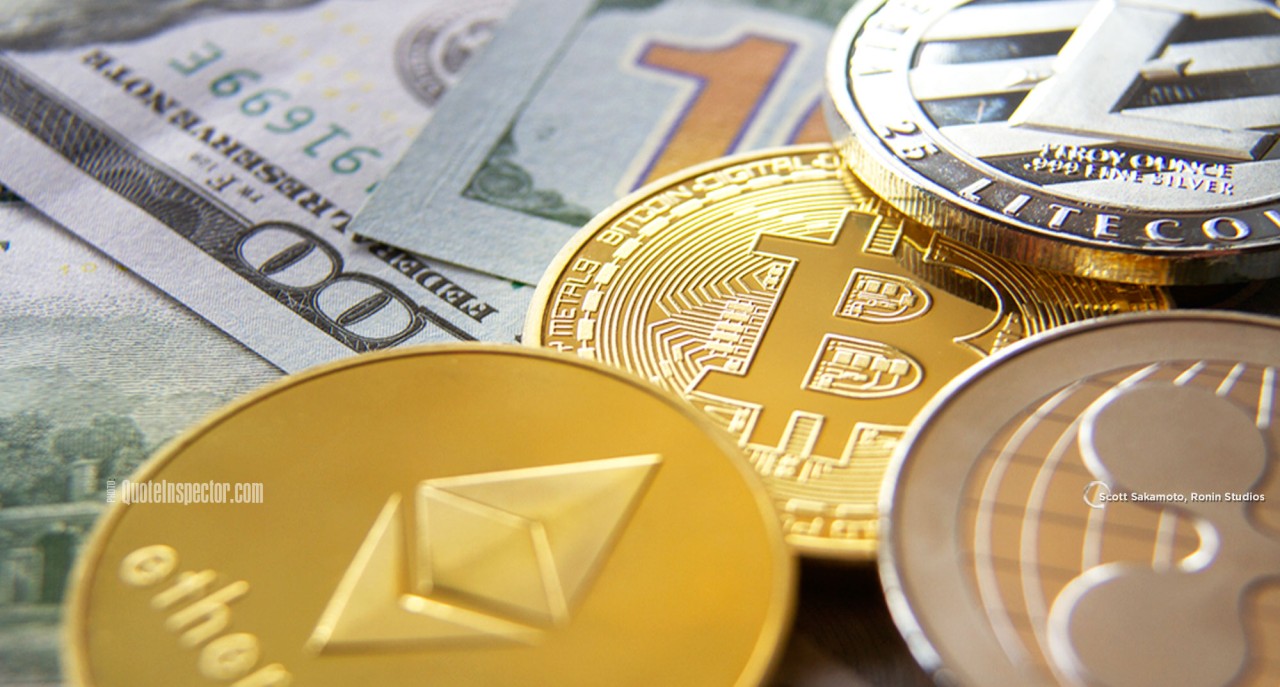
Cryptocurrency: The Digital Revolution Transforming Modern Finance


Introduction: A Quiet Idea That Changed Everything
When Bitcoin first emerged in 2009, few could have imagined that it would ignite a financial revolution still gathering force today. What began as a fringe experiment in digital money has grown into a sprawling ecosystem of cryptocurrencies—each promising to reshape how we think about value, ownership, and trust in a world that grows more digital by the hour.
From financial institutions to individual investors, from governments to grassroots communities, cryptocurrency has captivated the collective imagination. It stands at the crossroads of technology, economics, and philosophy—challenging old assumptions and inviting us to envision what a fairer, freer monetary system might look like.
What Is Cryptocurrency? A New Kind of Money
At its core, cryptocurrency is digital money secured by cryptography. Unlike traditional currencies issued by central banks, cryptocurrencies are decentralized—they rely on a network of computers to validate transactions rather than a single authority.
Bitcoin, the original cryptocurrency, remains the best-known and most valuable. But today, there are thousands of cryptocurrencies, each with unique purposes and communities. Some aim to be faster versions of Bitcoin, while others—like Ethereum—enable smart contracts and decentralized applications that do far more than transfer money.
Key Traits That Define Cryptocurrencies
-
Decentralization: No single entity controls the network.
-
Scarcity: Many coins have a fixed supply, protecting against inflation.
-
Transparency: All transactions are recorded on public blockchains.
-
Security: Advanced encryption keeps funds and identities safe.
-
Borderless: Cryptocurrencies can be sent anywhere, anytime.
Together, these features form the backbone of a system designed to be more democratic, transparent, and resistant to censorship than traditional finance.
How Cryptocurrency Works: The Blockchain Backbone
Central to every cryptocurrency is the blockchain—a digital ledger that records every transaction in chronological order. Think of it as an incorruptible database, shared across thousands of computers, that anyone can inspect but no one can alter once information is confirmed.
When you send cryptocurrency, your transaction joins a “block” that must be verified by the network’s participants. Once validated, this block is added to the chain—hence the name. This process ensures that everyone agrees on who owns what, without needing a bank to settle accounts.
Popular Cryptocurrencies Beyond Bitcoin
While Bitcoin paved the way, other cryptocurrencies have expanded the possibilities of what this technology can achieve.
Ethereum
More than just a currency, Ethereum allows developers to build decentralized applications (dApps) and smart contracts—self-executing agreements that run exactly as programmed, without intermediaries.
Ripple (XRP)
Focused on streamlining global payments, Ripple partners with major banks to offer fast, affordable cross-border transactions.
Litecoin (LTC)
Often described as the silver to Bitcoin’s gold, Litecoin processes transactions faster and at lower costs.
Cardano (ADA)
Renowned for its scientific approach, Cardano aims to create a secure, scalable platform for smart contracts and decentralized governance.
Each of these projects, and countless others, contributes to a growing ecosystem that goes far beyond simply storing or transferring value.
The Appeal of Cryptocurrency: Why It Matters
Cryptocurrency resonates deeply with people for reasons both practical and philosophical.
Financial Freedom
Cryptocurrency empowers individuals to control their own money, free from the limitations and fees of banks. In countries facing hyperinflation or political repression, crypto can be a lifeline for preserving wealth.
Innovation and Opportunity
The rise of cryptocurrencies has given birth to entire new industries: decentralized finance (DeFi), non-fungible tokens (NFTs), and decentralized autonomous organizations (DAOs). These innovations push the boundaries of what’s possible in art, governance, and finance.
Transparency and Trust
Public blockchains ensure that transactions are open and verifiable. This transparency reduces the chance of fraud, corruption, and backroom deals that have historically eroded trust in financial institutions.
Risks and Challenges: The Other Side of the Coin
Yet the promise of cryptocurrency comes with real risks—some technical, others human.
Price Volatility
Cryptocurrencies are infamous for dramatic price swings. While early adopters have made fortunes, many newcomers have also lost money by buying high and selling low.
Security Threats
Though blockchain itself is secure, crypto exchanges and wallets have been frequent targets for hackers. Investors must take responsibility for safeguarding their digital assets.
Regulatory Uncertainty
Governments around the world are still figuring out how to regulate cryptocurrencies. New policies can impact prices, trading, and even the legality of using certain coins.
Environmental Concerns
Bitcoin mining, which uses enormous computing power, has sparked debate over its energy consumption. Many newer cryptocurrencies are experimenting with eco-friendly alternatives to proof-of-work mining.
How to Approach Cryptocurrency Wisely
For anyone considering stepping into the world of crypto, caution and education are key.
Practical Tips for Responsible Participation
-
Do Your Research: Understand the project behind any coin before investing.
-
Start Small: Only invest what you can afford to lose.
-
Use Reputable Exchanges: Stick to well-known platforms with robust security.
-
Secure Your Assets: Consider cold storage wallets for long-term holdings.
-
Stay Updated: Follow credible sources for news and regulatory changes.
The Future of Cryptocurrency: A Work in Progress
Cryptocurrency is no longer an obscure corner of the internet. From major banks to payment giants like PayPal and Visa, mainstream finance has taken notice. Some countries, like El Salvador, have even adopted Bitcoin as legal tender—an experiment the world is watching closely.
Meanwhile, central banks are exploring their own digital currencies (CBDCs), blending aspects of crypto with traditional oversight. As this new financial landscape unfolds, one thing is clear: the ideas that Bitcoin unleashed are here to stay.
Conclusion: A Story Still Being Written
Cryptocurrency is not just another investment trend; it is a profound shift in how we conceive of money and trust. Its path has been unpredictable, marked by booms, busts, innovation, and controversy. But in that unpredictability lies its power—an open invitation to rethink how we transact, store value, and interact with one another in an increasingly digital world.
As regulators, innovators, and everyday people continue to shape its trajectory, cryptocurrency reminds us that money is not just a tool, but a reflection of our values. And in that reflection, we glimpse a future that is still being written—one block at a time.