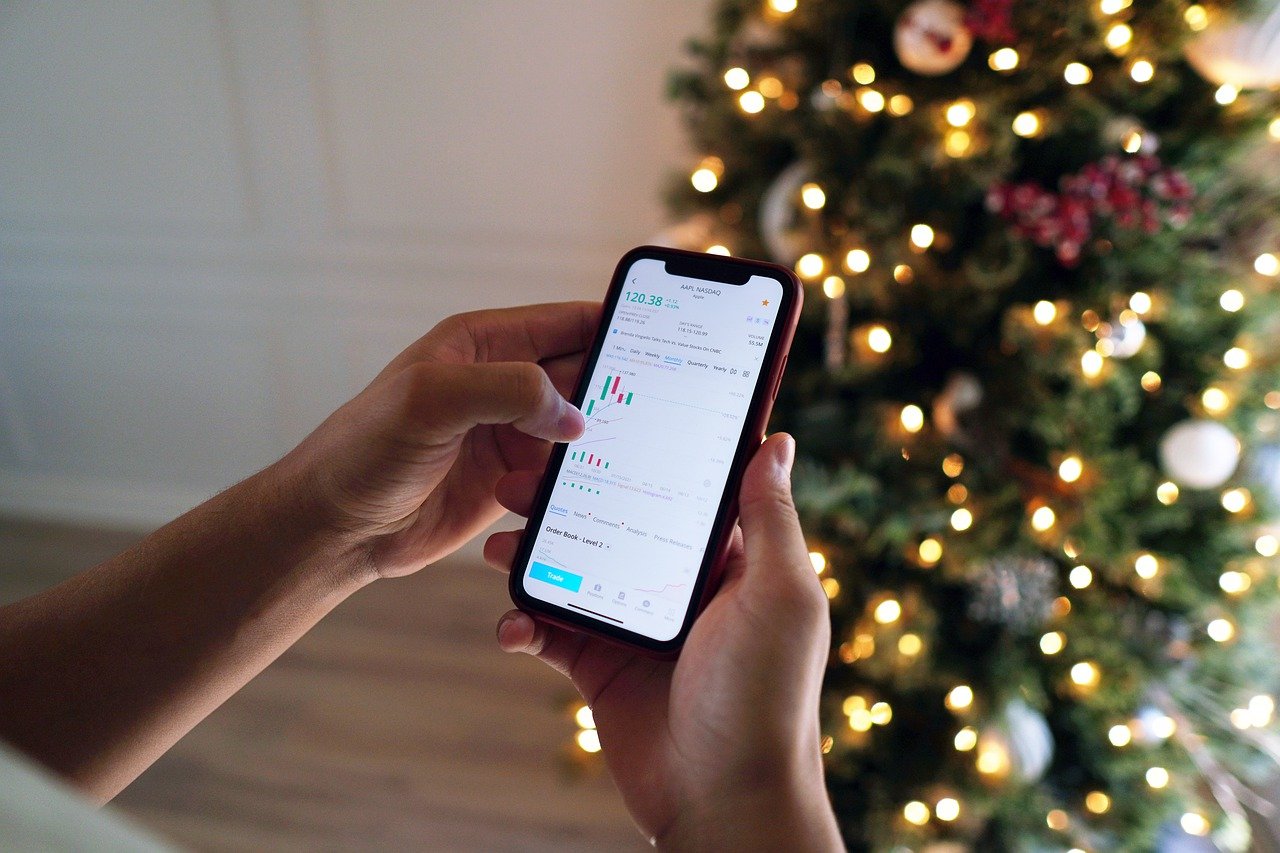
The Modern Broker: Navigating the Complex Terrain of Global Finance


Introduction: A Profession Reimagined
Once perceived merely as middlemen executing transactions, brokers have evolved into sophisticated, indispensable players in the global economy. Whether operating in the financial markets, real estate, insurance, or logistics, the role of the broker has transformed dramatically in the 21st century. In an era dominated by digital platforms, algorithmic trading, and real-time information, brokers are no longer just facilitators — they are strategic advisors, market interpreters, and trust-builders.
To understand the true significance of a broker in today’s interconnected marketplace is to appreciate their ability to bridge gaps — between buyers and sellers, information and insight, and ultimately, opportunity and execution.
What Is a Broker? An Essential Intermediary
At its most fundamental level, a broker is an individual or firm that connects two parties to facilitate a transaction, typically in exchange for a fee or commission. While the core function remains the same across industries, the nature and scope of brokerage services can vary dramatically.
Common Types of Brokers
-
Stock Brokers: Facilitate the buying and selling of securities like stocks, bonds, and mutual funds on behalf of clients.
-
Real Estate Brokers: Connect property buyers with sellers, often guiding negotiations, paperwork, and regulatory compliance.
-
Insurance Brokers: Act as intermediaries between clients and insurance providers, helping individuals or businesses find the most suitable coverage.
-
Forex and Commodity Brokers: Specialize in currency and commodity trading, often dealing in high-volume, high-volatility markets.
-
Freight Brokers: Coordinate the shipment of goods, acting as liaisons between shippers and transportation services.
Each type of broker operates under unique regulatory frameworks, skill sets, and market dynamics, yet all share the same foundational purpose — to facilitate informed, efficient, and secure transactions.
The Evolving Role of the Broker in the Digital Age
Gone are the days when brokers relied solely on intuition, phone calls, and spreadsheets. Today’s brokers operate within a digital ecosystem rich with data analytics, real-time market feeds, and AI-powered tools. But with automation comes a new challenge: staying relevant.
From Transactional to Consultative
-
Data-Driven Insights: Brokers now leverage advanced analytics to provide clients with deeper market intelligence and personalized strategies.
-
Client Education: A modern broker often serves as an educator, helping clients navigate complex systems or decode opaque market trends.
-
Regulatory Guidance: With compliance becoming increasingly intricate, brokers assist in interpreting and adhering to ever-changing regulations.
-
Relationship Management: In a world awash with automated trading apps and DIY platforms, brokers differentiate themselves through human trust and nuanced advice.
This shift from a transactional to a consultative approach has elevated the profession, imbuing it with both greater responsibility and influence.
What Makes a Great Broker? Traits of the Trusted Few
Success in brokerage is not purely a function of intelligence or market knowledge. At its core, the role demands a blend of interpersonal finesse, analytical rigor, and ethical integrity.
Key Attributes of an Exceptional Broker
-
Deep Market Understanding: Staying abreast of financial, economic, and industry-specific developments is non-negotiable.
-
Excellent Communication Skills: Whether simplifying technical jargon or negotiating terms, clarity and persuasion are vital.
-
Client-Centric Mindset: Placing the client’s interest above commissions fosters long-term loyalty and reputation.
-
Adaptability: Markets shift, technologies evolve, and regulations change. Top brokers pivot gracefully while maintaining professional standards.
-
Ethical Conduct: Trust, once broken, is rarely restored. Ethical behavior not only ensures legal compliance but also cultivates credibility.
These qualities distinguish not just a competent broker, but one who earns respect across boardrooms, trading floors, and neighborhoods alike.
The Impact of Regulation and Compliance
In virtually every brokerage industry, regulation plays a central role. Governments and independent bodies impose licensing requirements, ethical standards, and operational protocols to ensure transparency and protect consumers.
Examples of Regulatory Oversight
-
Financial Brokers: Governed by organizations such as the SEC (U.S.), FCA (UK), or ASIC (Australia), depending on jurisdiction.
-
Real Estate Brokers: Must typically pass licensing exams and adhere to both state and national property laws.
-
Insurance Brokers: Often required to maintain continuing education and comply with consumer protection frameworks.
While some may view compliance as a hurdle, many professional brokers regard it as a hallmark of legitimacy — an assurance to clients that they operate within a framework of accountability.
The Rise of Online Brokerage: Friend or Foe?
Digital disruption has brought a new wave of competition to traditional brokers. Platforms like Robinhood, eToro, and Zillow have enabled individuals to bypass brokers entirely — at least in theory.
Implications of the Digital Shift
-
Accessibility: Lower fees and mobile-first design have democratized access to trading and services.
-
Transparency: Clients now have real-time access to data, pricing, and peer reviews, demanding more from brokers in terms of service quality.
-
Pressure on Fees: The availability of low-cost alternatives has forced many traditional brokers to reconsider their pricing models.
Yet rather than rendering brokers obsolete, the digital revolution has redefined their value proposition. The best brokers have embraced technology, using it to enhance client experiences while focusing on the one thing platforms cannot replace — human judgment and nuanced advice.
Brokers and the Global Economy
From multinational mergers to first-time home purchases, brokers play a pivotal role in driving economic activity. Their ability to efficiently match supply with demand lubricates markets, reduces friction, and stimulates growth.
Contributions to Economic Health
-
Liquidity Provision: In financial markets, brokers ensure there’s always a counterparty, enabling smoother trading conditions.
-
Market Efficiency: Brokers help set fair prices by ensuring broad participation and disseminating relevant information.
-
Job Creation: Both directly and through the businesses they serve, brokers contribute to employment and entrepreneurship.
Indeed, in both mature and emerging economies, brokers serve as catalysts for commerce and progress.
Conclusion: The Broker’s Enduring Value
In an age where algorithms make trades and AI drafts contracts, the role of the broker might seem at risk of obsolescence. Yet nothing could be further from the truth. Far from being edged out, the modern broker has redefined their relevance — by blending technological fluency with human insight, regulatory knowledge with ethical integrity, and transactional skill with genuine care.
The profession, once bound by paperwork and protocol, has emerged as one of agility, acumen, and purpose. For those who master its demands, brokerage remains not just a career, but a calling — one that continues to shape industries, empower individuals, and quietly underwrite the functioning of the modern world.